
Post-house Earth

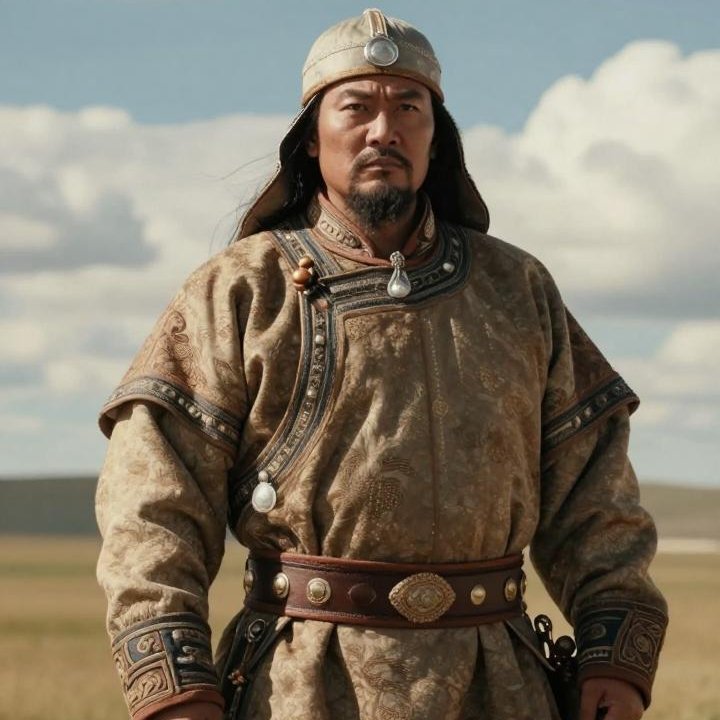
Genghis Khan

Post-house Earth is a type of Nayin in the Five Elements philosophy, corresponding to the Chinese Heavenly Stems and Earthly Branches Wushen and Jiyou. It embodies vast tolerance, a journey of ten thousand miles, universal vision, bold pioneering and integration, with grand vision.

The representative figure of this spirit is Genghis Khan. He unified the Mongol tribes, led expeditions that opened channels of communication between Eastern and Western civilizations, promoted ethnic integration with a broad mind, and shaped the world pattern.

Daily trivialities easily narrow our hearts, making us fixate on gains and losses, until the path of life grows smaller and smaller.

Similar Posts

  • Roadside Earth

    George Washington Roadside Earth is a type of Nayin in the Five Elements philosophy, corresponding to the Chinese Heavenly Stems and Earthly Branches Gengwu and Xinwei. It embodies calmness, steadiness, modesty, and quiet responsibility, laying a solid foundation without chasing empty fame. The representative figure of this spirit is George Washington. He led the American…

  • White Wax Gold

    Marie Curie White Wax Gold is a type of Nayin in the Five Elements philosophy, corresponding to the Chinese Heavenly Stems and Earthly Branches Gengchen and Xinsi. It represents purity and perseverance, the ability to endure solitude, stay true to one’s original aspiration, and grow purer through hardship and trials. The representative figure of this…

  • Sword-Blade Gold

    Napoleon Bonaparte Sword-Blade Gold is a category of Nayin within the Five Elements system, corresponding to the Chinese Heavenly Stems and Earthly Branches Renshen and Guiyou. It embodies sharp resolve, decisive fortitude, and swift action—bold, breakthrough-oriented, with a powerful presence and pioneering edge. The representative figure of this spirit is Napoleon Bonaparte. With extraordinary military…

  • Mulberry & Zhew Wood

    Charles Dickens Mulberry & Zhew Wood corresponds to the Chinese Heavenly Stems and Earthly Branches Renzi and Guichou. It is flexible yet upright, practical and warm, with both worldly wisdom and gentle empathy. Dickens used his pen to expose social realities while comforting people with his words, influencing his era with down-to-earth strength. We often…

  • Wall Earth

    Wolfgang Amadeus Mozart Wall Earth is a type of Nayin in the Five Elements philosophy, corresponding to the Chinese Heavenly Stems and Earthly Branches Gengzi and Xingchou. It expresses delicacy, refinement, gifted grace, and pure beauty, adorning the world with talent. The representative figure of this spirit is Wolfgang Amadeus Mozart. He rose to fame…

Leave a Reply

Your email address will not be published. Required fields are marked *