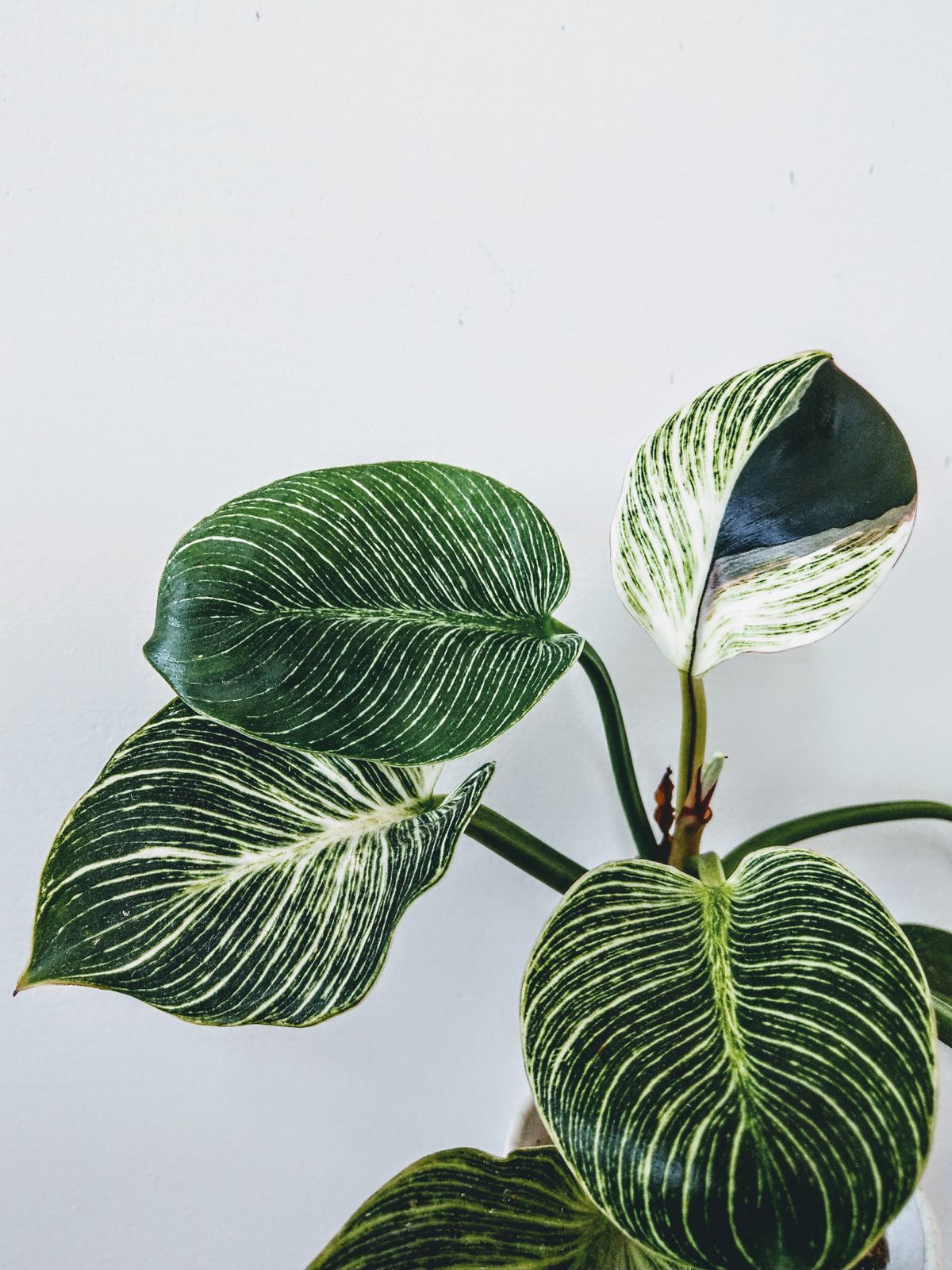
Calathea and Maranta — prayer plants — are the divas of the houseplant world. Gorgeous, with leaves that fold up at night, but they demand humidity and clean water. Grow one once you've got the basics down.
Care at a glance
| Need | What it wants |
|---|---|
| Light | Medium, indirect. No direct sun — it scorches. |
| Water | Keep lightly moist; never soggy, never bone dry. |
| Soil | Peat-free mix with extra perlite. |
| Humidity | 50–60% — non-negotiable for crisp leaves. |
Use filtered or rainwater
Tap-water fluoride and chlorine cause those signature brown, crispy edges. A simple filter or collected rainwater fixes most of it.The prayer movement
Leaves lift in the evening and lower by day — totally normal, not a problem. If they stop moving and crisp at the edges, humidity or water quality is the issue, not light.
Brown edges despite good care?
Almost always water quality or low humidity. Filter the water and run a humidifier.
Are prayer plants pet-safe?
Yes — calathea and maranta are non-toxic to cats and dogs.
Crisp leaves and the nightly prayer
Calathea demand two things: humidity (50–60%) and clean water (filtered or rain). Get those and the leaves stay flat and marked; skip them and the edges crisp within weeks. The leaves lifting at night and lowering by day is normal movement, not distress. Keep them out of direct sun, which scorches the patterned foliage.
| Symptom | Likely cause | Fix |
|---|---|---|
| Brown crispy edges | Tap water / low humidity | Filter water; humidifier |
| Faded, scorched patches | Direct sun | Move to indirect light |
| Curls and stays down | Too dry / thirsty | Water; raise humidity |
Calathea are the divas — but a crisp, patterned leaf is worth the effort for a plant lover who's ready for it.