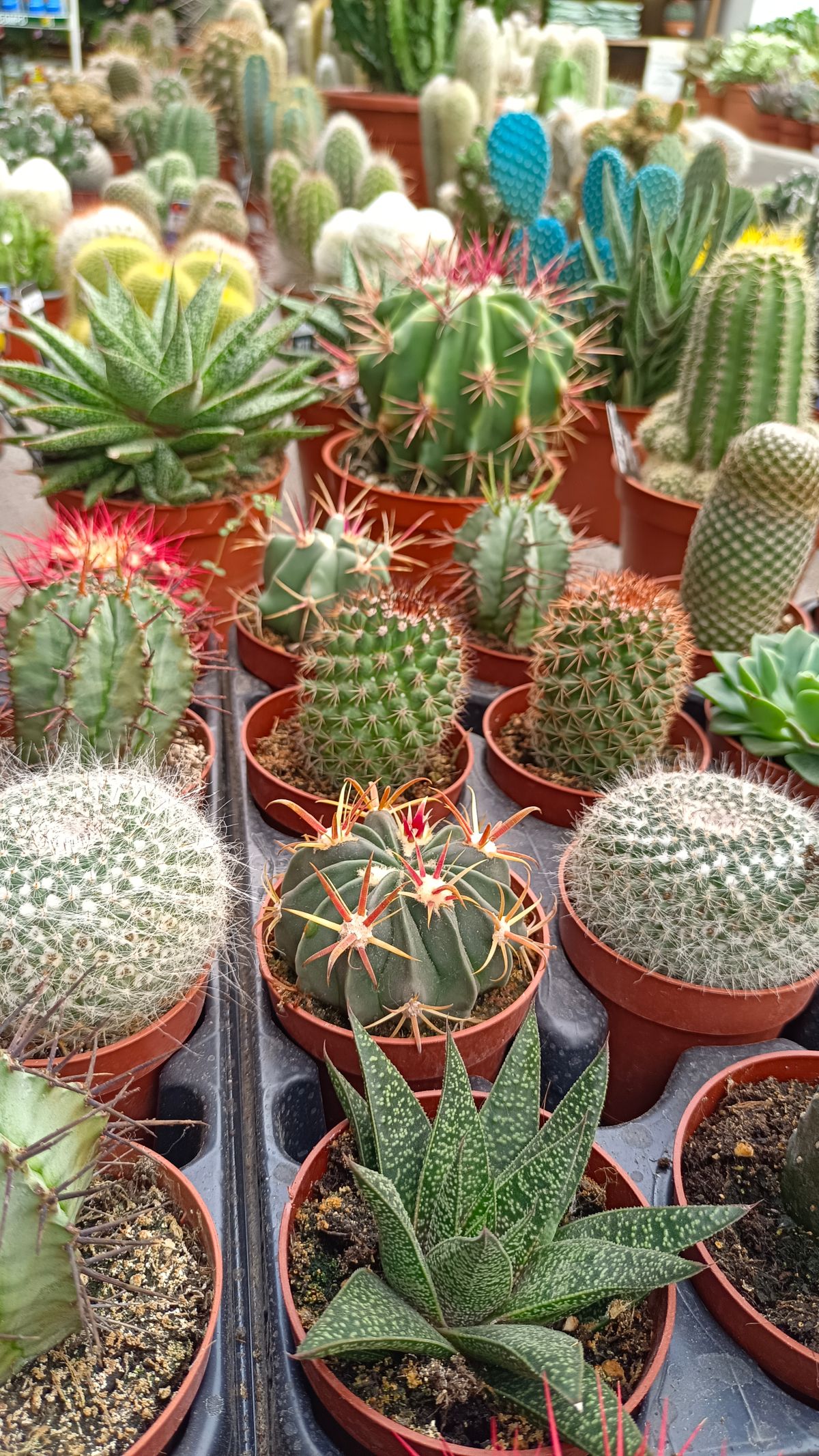
"Succulent" covers hundreds of species — echeveria, haworthia, jade, aloe — that store water in leaves or stems. They're not hard, but they need the opposite of most houseplants: lots of light and very little water.
Care at a glance
| Need | What it wants |
|---|---|
| Light | Bright, often direct sun for several hours. |
| Water | Soak, then let fully dry — often every 2–3 weeks. |
| Soil | Cactus/succulent mix, very free-draining. |
| Humidity | Low is fine. |
Etiolation = not enough light
Stretched, pale, leaning growth means it's reaching for sun. Move to the brightest window or add a grow light, or it goes leggy.The two killers
- Too little light: they stretch and flop. A south window or grow light fixes it.
- Too much water: leaves go translucent and mushy. Let them dry; when in doubt, wait.
Can succulents live indoors without sun?
Only if you add a grow light. A dim room will etiolate them within weeks.
Why are the bottom leaves shrivelling?
Normal — they shed old leaves. If many shrivel at once, it may be underwatering or rot.
Light, water and avoiding the stretch
Succulents fail indoors for one reason: not enough light. A bright window with a few hours of sun, or a grow light, keeps them compact. Water by soaking the soil, then letting it dry fully — often every two to three weeks, less in winter. If a plant stretches (etiolates), it's reaching for sun; move it brighter and the new growth will be tight. Propagate leggy ones from a healthy top cutting.
| Symptom | Likely cause | Fix |
|---|---|---|
| Stretched, pale growth | Too little light | Bright window / grow light |
| Translucent, mushy leaves | Overwatering / rot | Dry out; remove bad leaves |
| Shrivelled bottom leaves | Underwatering or normal | Soak; watch neighbours |
When a succulent is happy it's almost indestructible; when it's etiolating, act fast, because stretched growth doesn't reverse.